Agresearch Lead

Endline Evaluation of the Northern Ghana Climate Resilience Programme (NGCRP)

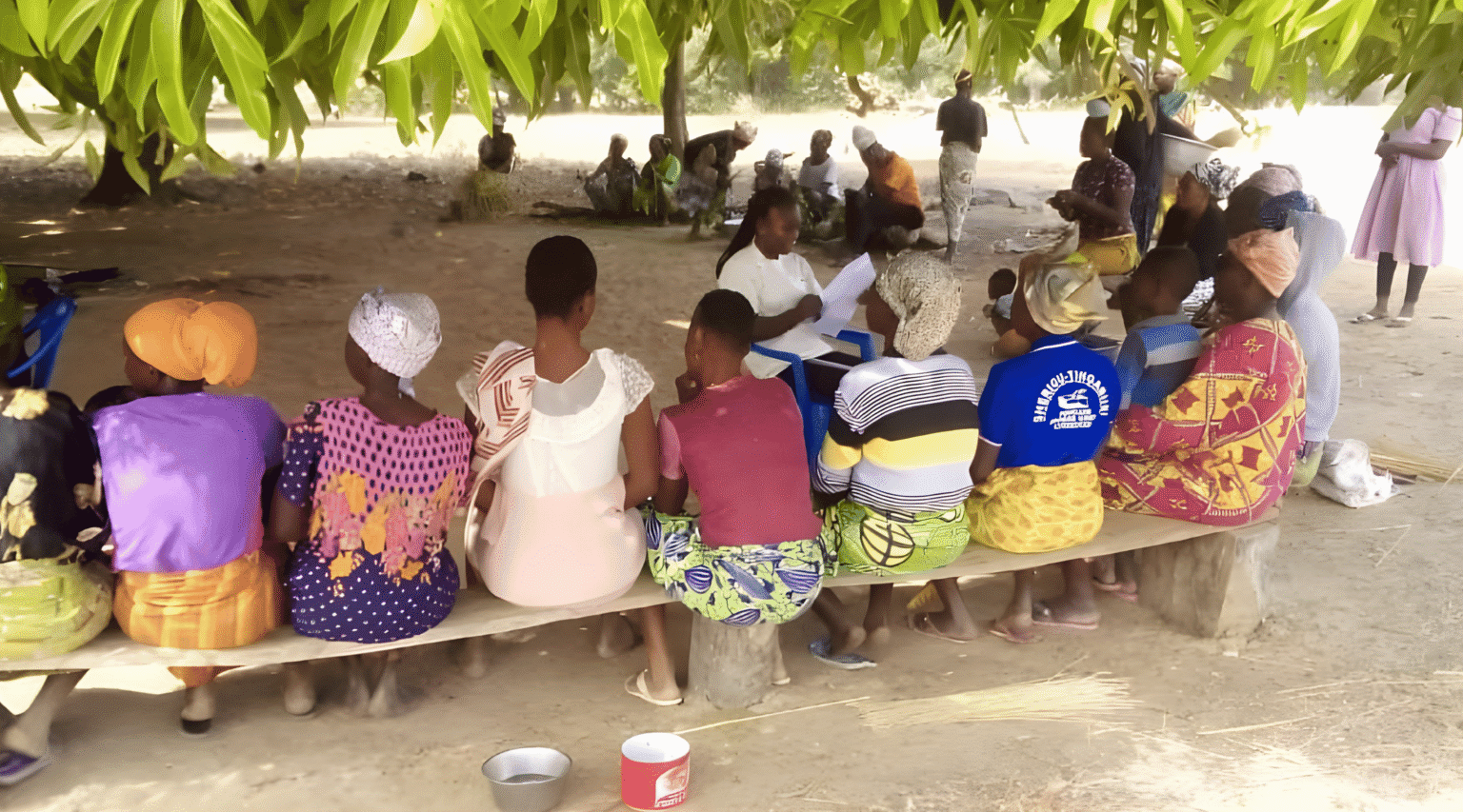
The Agresearch Lead team conducted an Endline evaluation of the Northern Ghana Climate Resilience Programme implemented by ADDRO from 2018-2021. The project targeted Micro-credit clients, Savings with Education group, Ruminant farmers and Crop and vegetable farmers using participatory and gender inclusive approaches

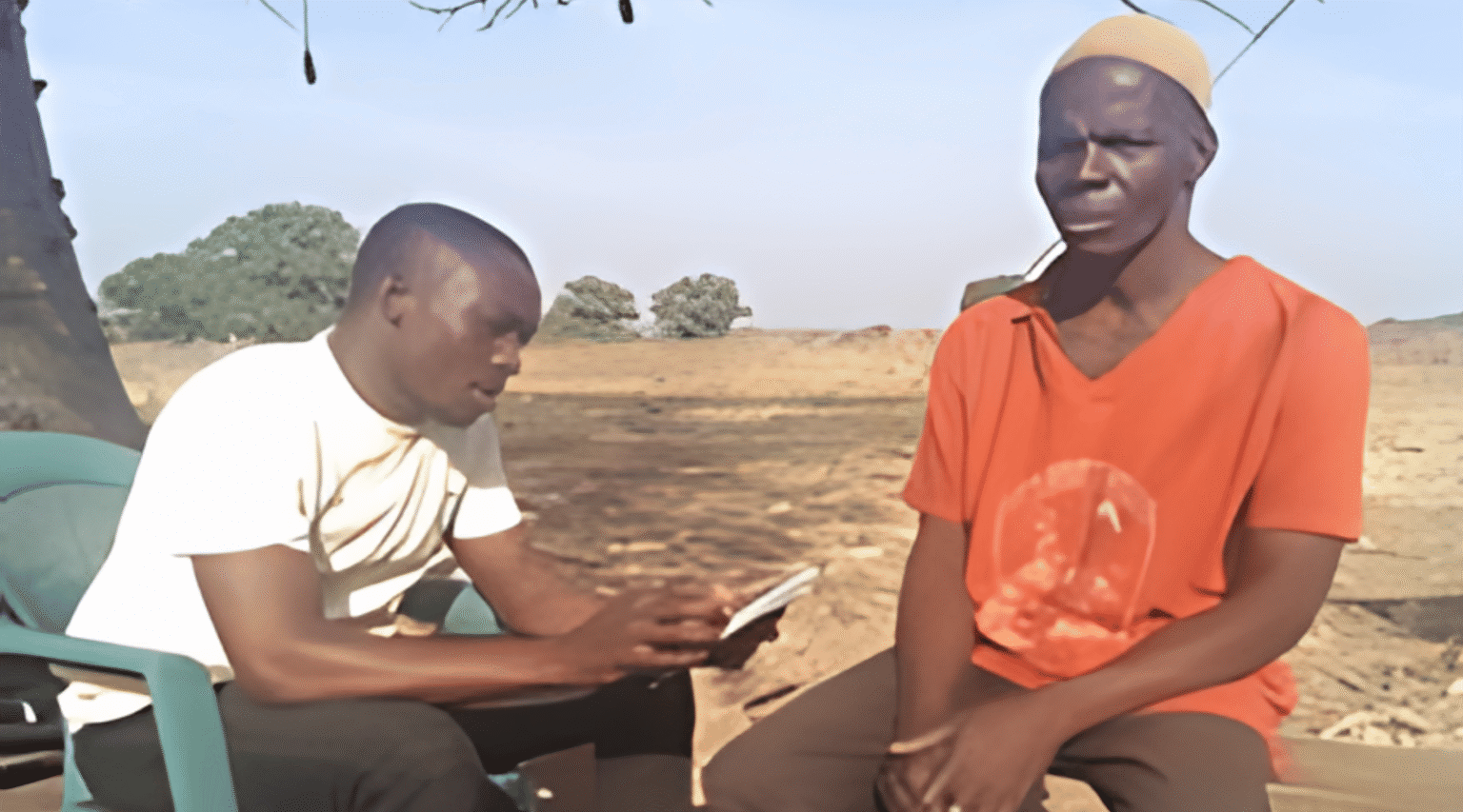
Method: The evaluation deployed the Quasi-experimental design in assignment execution. The project deployed a mixed-method approach using quantitative and qualitative tools. The project M&E data was analyzed and documents were reviewed. Quantitative data was collected using CAPI. At the Institutional level, Agresearch engaged Ministry of Food and Agriculture using Key Informant Interview guides to collect data to aid in policy recommendation.

Tasks carried out:

The activities the team carried out  were;

  • Responsible for organizing inception meeting with client
  • reviewing documents such as baseline, midline reports, project M&E frameworks, indicator performance tracking table
  • Preparation and submission of inception report
  • Reviewing quantitative instruments and making inputs towards finalization
  • Development of data collection instruments such as FGD and KII guides
  • Programming of questionnaires using Kobocollect
  • Recruitment of enumerators
  • Training and deployment of field team members
  • Data collection in the Upper East Region of Ghana
  • Data collation, cleaning and analysis
  • Preparation of draft and final evaluation report

Insights & Research

Policy Brief 1: Improving Household Nutrition and Dietary Diversity

Only 27.1% of households consume at least four locally available nutrient-dense foods daily. Poor dietary diversity contributes to malnutrition, micronutrient deficiencies, and stunted child...

Policy Brief 2: Enhancing Maternal and Child Nutrition through Focused Support

Despite high awareness, only 14.5% of pregnant women consume a four-star diet. Similarly, young children consume mainly starchy staples with inadequate intake of vitamin A-rich foods, dairy, and...

Policy Brief 3: Strengthening WASH for Nutrition and Health Outcomes

To reduce sanitation-related disease burden and improve nutrition outcomes through improved access to water, sanitation, and hygiene (WASH)...

Unlocking the Power of Soybean: Knowledge as a Catalyst for Food System Transformation

Soybean is more than a cash crop—it's a catalyst for improving nutrition, enhancing livelihoods, and building climate-resilient agriculture in Ghana. But unlocking the crop’s full potential depends on...
Scroll to Top